Club Car Wash is not a traditional touchless car wash because its automatic wash process uses equipment that makes physical contact with the exterior of the vehicle. A true touchless car wash cleans a vehicle without brushes or other washing materials touching the paint. Instead, it relies mainly on pressurized water and cleaning chemicals to loosen and remove dirt. This distinction matters for drivers who specifically want to avoid physical contact with their vehicle’s paint.
Club Car Wash operates an automatic tunnel wash system designed to clean vehicles as they move through multiple stages of the washing process. Water and cleaning products help loosen dirt from the exterior, while the wash equipment provides the physical cleaning action needed to remove contaminants. The vehicle then moves through additional rinsing and drying stages before leaving the tunnel.
The difference between touchless and contact based washing also affects how drivers evaluate cleaning performance and paint protection. Physical contact can provide stronger mechanical cleaning, especially when a vehicle has accumulated road grime. However, drivers concerned about swirl marks, scratches, clear coat condition, or ceramic coatings may place greater importance on minimizing contact with the paint. This article explains how Club Car Wash works, whether it uses brushes, how it compares with a touchless car wash, and what its washing method means for your vehicle’s exterior.
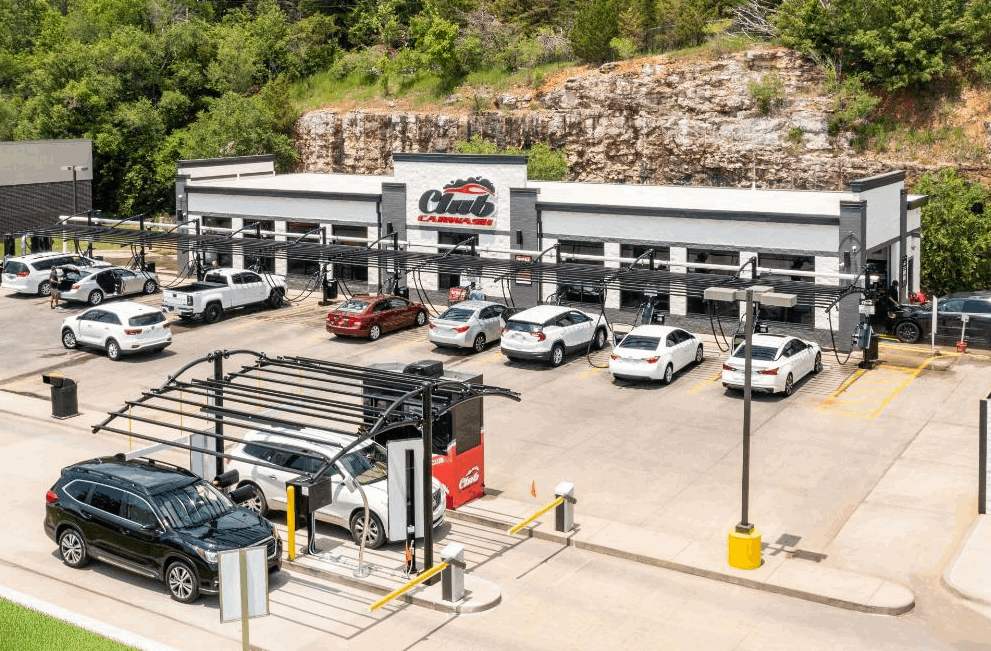
Is Club Car Wash Touchless?
Club Car Wash is not touchless because its automatic wash system uses cleaning equipment that physically contacts the vehicle during the wash process. This makes it different from a true touchless car wash, where no brushes, cloth, foam materials, or other mechanical cleaning equipment touch the exterior surface. The distinction is based on how dirt is removed rather than whether the vehicle moves through an automatic wash tunnel.
A touchless car wash relies primarily on pressurized water and cleaning chemicals to loosen dirt, road grime, and other contaminants from the vehicle. Because there is no mechanical contact with the paint, water pressure and chemical action must perform most of the cleaning. Club Car Wash uses a contact based process instead. Physical cleaning action works together with water and cleaning products to remove contaminants from the exterior as the vehicle travels through the wash tunnel.
The terms automatic and touchless should not be treated as synonyms. An automatic car wash describes a system in which equipment performs the washing process with little direct work from the driver. A touchless car wash describes a specific type of automatic wash that avoids physical contact with the vehicle. Therefore, an automatic tunnel can use either a touchless system or a contact based system.
This difference is important for drivers deciding how they want their vehicles cleaned. Contact based washing provides mechanical action that can help remove stubborn surface contamination. Touchless washing prioritizes reducing physical contact with the paint. Drivers choosing between the two methods should consider cleaning performance, paint condition, protective coatings, and their tolerance for physical contact with the vehicle’s exterior.
What Type of Car Wash Does Club Car Wash Use?
Club Car Wash uses an automatic tunnel car wash system that moves vehicles through a sequence of cleaning, rinsing, and drying stages. Instead of requiring the driver to wash the vehicle manually, the tunnel coordinates the cleaning process while the vehicle travels through the system. This format allows multiple exterior cleaning functions to take place during a single wash cycle.
The cleaning process combines water, car wash chemicals, and mechanical action. Water helps wet the exterior and remove loose contaminants, while cleaning solutions break down dirt and road grime attached to the vehicle. The contact equipment then provides mechanical cleaning action across exterior surfaces. This combination helps remove contaminants that water and cleaning chemicals may not completely dislodge on their own.
After the main cleaning stage, the vehicle continues through the tunnel for additional rinsing. Rinsing removes loosened contaminants and remaining cleaning products from the exterior. The final part of the process uses drying equipment to remove as much surface water as possible before the vehicle exits. The exact services included can depend on the wash package and equipment available at a particular location.
This tunnel format makes Club Car Wash a contact based automatic car wash rather than a touchless system. The important distinction is the cleaning mechanism. A touchless system depends on water pressure and chemicals without wash materials contacting the exterior. Club Car Wash adds mechanical cleaning action to the process, which affects both how dirt is removed and how the wash interacts with the vehicle’s painted surfaces.
Does Club Car Wash Use Brushes?
Club Car Wash uses wash equipment that makes physical contact with the vehicle, so drivers should not consider its cleaning process brushless or touchless. However, the word “brushes” can create confusion because automatic car washes do not all use the same type of cleaning material. Traditional car wash brushes and modern soft contact materials differ in their construction and the way they interact with a vehicle’s exterior.
Contact based car washes use mechanical movement to help separate dirt from painted surfaces, glass, wheels, and other exterior areas. Water and cleaning chemicals first help loosen contaminants. The moving wash material then provides additional agitation that removes dirt from the surface. This physical action is one reason contact systems can clean stubborn road grime more effectively than relying on water pressure alone.
Physical contact does not automatically mean that a car will be scratched during every wash. Scratch risk depends on several factors, including the condition of the vehicle’s paint, contaminants present on the surface, the cleanliness of the wash equipment, and how abrasive particles interact with the exterior. Fine particles trapped between a contact material and the clear coat can create visible marks when they move across the surface.
For this reason, the more useful question is not simply whether Club Car Wash uses “brushes.” Drivers should determine whether washing materials physically touch the vehicle and whether that cleaning method matches their priorities. Club Car Wash uses a contact based washing process, while a true touchless car wash eliminates this type of mechanical contact and depends primarily on chemicals and pressurized water for cleaning.
What Is the Difference Between Club Car Wash and a Touchless Car Wash?
The main difference between Club Car Wash and a touchless car wash is physical contact with the vehicle. Club Car Wash uses mechanical cleaning action as part of its automatic tunnel process, while a true touchless car wash cleans the exterior without brushes, cloth, or other wash materials touching the surface. This difference changes how each system removes dirt and interacts with the vehicle’s paint.
A touchless car wash depends primarily on cleaning chemicals and pressurized water. The chemicals loosen road film, dirt, and other contaminants before water pressure removes them from the exterior. Since there is no mechanical agitation, the effectiveness of the wash depends more heavily on chemical strength, water pressure, coverage, and the type of contamination present on the vehicle.
Club Car Wash combines cleaning products and water with physical cleaning action. Mechanical contact helps agitate contaminants that remain attached to the surface after the initial chemical treatment. This approach can provide additional cleaning power when a vehicle has accumulated road grime or contaminants that are difficult to remove with water pressure alone. However, the cleaning materials physically interact with the paint and clear coat during the process.
The better system therefore depends on the driver’s priority. A contact based wash emphasizes mechanical cleaning performance, while a touchless wash emphasizes minimizing physical contact with painted surfaces. Neither characteristic alone determines whether a wash method is appropriate for every vehicle. Paint condition, existing surface contamination, protective coatings, and the owner’s maintenance priorities should also influence the choice between Club Car Wash and a touchless car wash.
Can Club Car Wash Scratch Your Car?
Club Car Wash can present a risk of scratches or swirl marks because its washing process involves physical contact with the vehicle, but contact does not mean every wash will damage the paint. The risk depends on what comes into contact with the clear coat, the condition of the vehicle, and whether abrasive contaminants move across the painted surface during cleaning.
Fine dirt, sand, and other particles are important because they can act as abrasives. When these contaminants remain between a vehicle’s clear coat and moving wash material, friction can drag the particles across the surface. The resulting marks may appear as fine scratches or circular swirl patterns, especially under direct sunlight. Dark colored vehicles often make these imperfections easier to see because reflected light highlights defects in the clear coat.
The existing condition of the paint also affects the outcome. A vehicle with a clean, healthy clear coat does not have the same surface condition as one with oxidation, previous scratches, damaged paint, or accumulated contamination. Repeated physical contact can also matter to owners who are trying to preserve a highly polished finish, even when a single wash does not create noticeable damage.
A touchless wash reduces this specific mechanical contact risk because no washing material moves directly across the paint. However, that does not automatically make touchless washing superior in every category. Club Car Wash provides mechanical cleaning action that can help remove stubborn contamination. Drivers should therefore balance cleaning performance against their tolerance for physical paint contact, particularly when maintaining a carefully polished or protected finish.
Is Club Car Wash Safe for Car Paint and Ceramic Coating?
Club Car Wash can be used on vehicles with standard automotive paint, but owners who prioritize preserving a highly polished finish or ceramic coating should consider the effects of repeated physical contact. Modern automotive paint normally includes a clear coat that protects the color layer underneath. This protective surface is durable, but it is not immune to wear, contamination, or fine surface defects.
Paint condition is an important factor when choosing a wash method. Factory paint with a healthy clear coat can tolerate normal exterior washing, while older, oxidized, recently repaired, or already damaged surfaces may require more careful maintenance. Contact based washing introduces mechanical action to the surface, so the condition of both the paint and the contaminants present on it affects how the exterior responds to repeated washes.
Ceramic coatings add another consideration. These coatings create a protective layer designed to improve water behavior, make contaminants easier to remove, and simplify routine maintenance. However, a ceramic coating does not make the vehicle immune to physical wear or scratches. Repeated mechanical contact can affect the appearance and long term performance of a protected surface, especially when abrasive contamination is involved.
Vehicle owners with ceramic coatings should follow the maintenance instructions provided by the coating manufacturer or professional installer. If those instructions recommend avoiding automatic contact washes, a touchless wash or appropriate hand washing method is the safer choice. Club Car Wash may suit drivers who prioritize convenient mechanical cleaning, while owners focused on minimizing contact with carefully maintained paint or protective coatings may prefer a different washing method.
Is Club Car Wash Better Than a Touchless Car Wash?
Club Car Wash is better for drivers who prioritize mechanical cleaning, while a touchless car wash is better for drivers who prioritize minimizing physical contact with the vehicle’s paint. Neither wash method is better in every situation because each system removes contamination differently and creates different tradeoffs for vehicle care.
Club Car Wash uses physical cleaning action together with water and cleaning products. Mechanical agitation helps loosen dirt, road grime, and contaminants that remain attached to exterior surfaces. This makes contact based washing useful when cleaning performance and convenience are the main priorities. Drivers can move through an automatic tunnel and receive several stages of exterior cleaning without washing the vehicle by hand.
A touchless car wash removes the mechanical contact component. Instead, it depends more heavily on cleaning chemicals and pressurized water to separate contaminants from the exterior. This reduces the possibility of wash materials carrying abrasive particles across the clear coat. However, eliminating physical agitation can make certain stubborn contaminants more difficult to remove during a single wash cycle.
Vehicle condition should determine which option is more suitable. A daily driven vehicle with substantial road grime may benefit from the mechanical cleaning action provided by a contact based system. A vehicle with paint correction, a carefully maintained finish, or a protective coating may benefit more from minimizing unnecessary surface contact. Therefore, drivers should choose Club Car Wash for convenient mechanical cleaning and choose a touchless wash when reducing physical contact with the paint is the higher priority.
Should You Use Club Car Wash If You Want a Touchless Wash?
You should choose another car wash if your main requirement is a truly touchless washing process. Club Car Wash uses an automatic contact based system, which means cleaning equipment physically interacts with the vehicle during the wash. A true touchless car wash avoids this contact and relies primarily on cleaning chemicals and pressurized water to remove dirt from exterior surfaces.
The right choice depends on what you expect from a car wash. Club Car Wash is suited to drivers who value convenience and mechanical cleaning action for removing road grime and other surface contamination. A touchless system is more appropriate when minimizing physical contact with the paint is the main priority. This distinction can be particularly relevant for owners who carefully maintain their clear coat, have completed paint correction, or follow specific maintenance requirements for a ceramic coating.
Before choosing either method, consider the condition of your vehicle and the level of cleaning it requires. Contact based washing provides additional mechanical action, while touchless washing reduces direct interaction between wash equipment and painted surfaces. If avoiding brushes, cloth, foam materials, and other physical cleaning contact is your primary goal, look specifically for a facility that identifies its system as touchless or touch free. If stronger mechanical cleaning and automatic tunnel convenience matter more, Club Car Wash may better match your needs.