Brake maintenance protects your safety and keeps your vehicle performing at its best. If you are searching for Firestone brake service cost, you probably want to know how much a brake repair will cost before booking an appointment. You may also want to compare Firestone with other repair shops or understand which services are included. Knowing these details helps you avoid unexpected expenses and make a smarter repair decision.
Firestone Complete Auto Care offers several brake services for different vehicle types. These services include brake inspections, brake pad replacement, rotor replacement, brake fluid exchange, and complete brake repairs. Each service has a different price because every vehicle uses different brake components. Labor rates also vary by location, which changes the final repair cost.
Several factors influence what you will pay. Your vehicle model, brake part quality, and the condition of the braking system all affect the estimate. For example, replacing brake pads costs much less than replacing pads, rotors, and calipers during the same visit. As a result, two drivers may receive very different quotes even at the same Firestone location.
This guide explains the average Firestone brake service cost in 2026 and the services included in a typical brake repair. You will also learn what affects pricing, how Firestone compares with other repair shops, and how to reduce your maintenance costs. By the end of this guide, you will know what to expect before scheduling your next brake service.
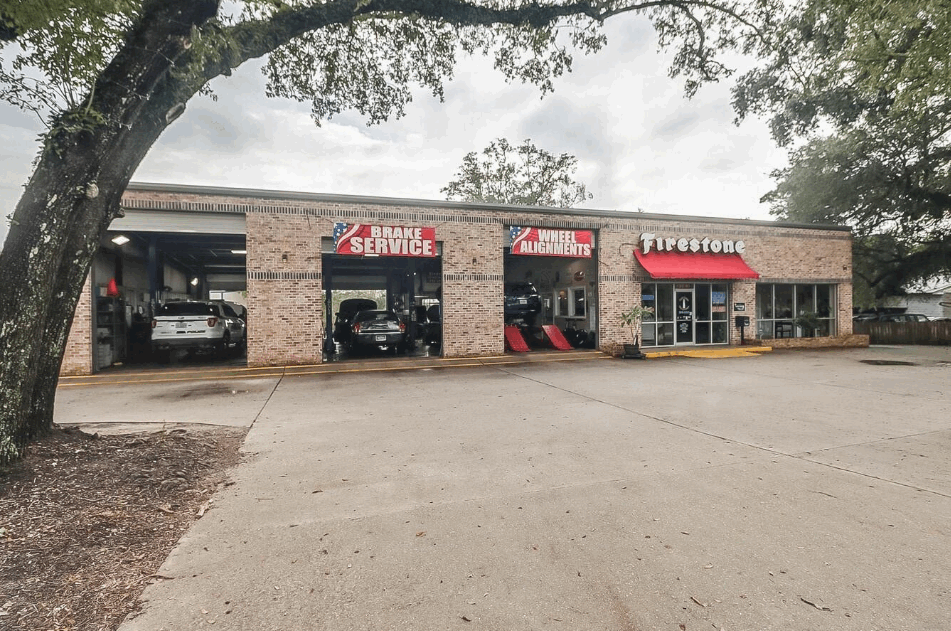
How Much Does Firestone Brake Service Cost in 2026?
The average Firestone brake service cost in 2026 ranges from $150 to $900 or more, depending on the repair your vehicle needs. A standard brake pad replacement usually costs less than a complete brake job that includes new rotors, calipers, and brake fluid. In most cases, front brake service and rear brake service have different prices because the components and labor requirements vary. Firestone technicians inspect the braking system before providing a detailed estimate, allowing customers to understand the recommended repairs before approving the work.
Several factors determine the final repair cost. Your vehicle’s make, model, and year play the biggest role because larger vehicles often require bigger and more expensive brake components. The type of brake pads also affects pricing. Ceramic brake pads generally cost more than semi-metallic options, but they produce less dust and operate more quietly. Labor rates vary by location as well. As a result, the same repair may cost more in one city than another, even at the same Firestone Complete Auto Care chain.
The total estimate also depends on the condition of your braking system. Worn brake pads require a relatively simple replacement, while damaged rotors or leaking calipers increase both parts and labor costs. Some vehicles also need a brake fluid exchange to restore braking performance and protect internal components from corrosion. Because every brake system wears differently, Firestone performs an inspection before recommending any repair. This process helps customers understand which services are necessary and prevents paying for parts that do not need replacement.
What Does Firestone Brake Service Include?
A standard Firestone brake service includes much more than replacing worn brake pads. Technicians examine the entire braking system to identify worn or damaged components before starting any repair. This inspection helps detect safety issues early and ensures every recommended service matches the vehicle’s actual condition. As a result, drivers receive a repair estimate based on the condition of the brake system instead of a one-size-fits-all package.
During the inspection, technicians check the brake pads, rotors, calipers, brake fluid, brake hoses, and other key components. They measure brake pad thickness, inspect rotor surfaces for excessive wear, and look for fluid leaks around the calipers and hydraulic lines. If the brake pads have reached the manufacturer’s minimum thickness, technicians recommend a replacement to restore safe stopping performance. They also determine whether the rotors can be resurfaced or require replacement because severely worn rotors reduce braking efficiency and accelerate brake pad wear.
Firestone may also recommend additional maintenance when necessary. A brake fluid exchange removes contaminated fluid and restores proper hydraulic pressure throughout the braking system. Technicians can also replace damaged calipers, worn hardware, or sticking slide pins if these parts affect brake performance. After completing the repair, they test the braking system to confirm proper operation before returning the vehicle to the customer. This final inspection verifies that every repaired component works correctly and helps deliver consistent braking performance under normal driving conditions.
What Factors Affect Firestone Brake Service Cost?
Several factors influence Firestone brake service cost, and no two repair estimates are exactly the same. The vehicle you drive has the greatest impact on the final price because every braking system uses different components and labor times. A compact sedan typically requires smaller brake pads and rotors than a full-size truck or luxury SUV. As a result, larger vehicles usually cost more to repair because they need heavier-duty parts and additional labor.
The condition of the braking system also changes the total repair cost. Replacing worn brake pads is one of the most affordable brake services. However, the price increases when damaged rotors, leaking calipers, or contaminated brake fluid require additional repairs. Delaying brake maintenance often leads to higher repair bills because worn brake pads can damage the rotors over time. Regular brake inspections help identify minor issues before they develop into expensive repairs.
The quality of replacement parts and local labor rates also affect the final estimate. Firestone offers brake components designed to meet the requirements of different vehicles, and premium parts generally cost more than standard alternatives. Labor charges vary by region because operating costs differ from one location to another. Seasonal promotions and manufacturer coupons may also reduce the total service cost. For this reason, requesting a brake inspection and written estimate before approving repairs allows drivers to understand the recommended services and manage their maintenance budget more effectively.
How Much Does Firestone Charge for Common Brake Repairs?
Firestone charges different prices for each brake repair because every service requires specific parts, labor, and inspection procedures. A simple brake pad replacement costs much less than a complete brake job that includes new rotors, calipers, and fresh brake fluid. Understanding the average price for each repair helps drivers estimate their maintenance budget and decide which services deserve immediate attention. Although the final quote depends on the vehicle and location, the following price ranges reflect what most customers can expect in 2026.
Front or rear brake pad replacement typically costs $150 to $350 per axle, including parts and labor. Replacing brake rotors increases the total because technicians install new components and perform additional labor. Most rotor replacement services cost $300 to $600 per axle, depending on the vehicle and the type of rotor. A brake fluid exchange usually ranges from $80 to $150, while brake caliper replacement often costs $300 to $800 per caliper due to higher parts prices and longer installation time.
A complete brake job represents the most expensive service because it combines several repairs into one visit. Drivers who replace brake pads, rotors, brake fluid, and other worn components often pay between $600 and $1,200 or more for the entire repair. Luxury vehicles, performance cars, and heavy-duty trucks may exceed this range because they require specialized brake systems and premium replacement parts. Firestone performs a brake inspection before completing any repair, allowing technicians to identify worn components and recommend only the services the vehicle actually needs. This approach helps customers understand every charge and reduces the risk of unexpected repair costs after the work begins.
Is Firestone Brake Service Worth the Cost?
Firestone brake service offers good value for drivers who want professional repairs, nationwide convenience, and reliable warranty coverage. While Firestone may not always provide the lowest price, the company focuses on delivering consistent service quality and thorough brake inspections. Many drivers choose Firestone because they can schedule appointments at hundreds of locations across the United States and receive service from trained technicians who follow standardized repair procedures.
One of Firestone’s biggest advantages is its comprehensive brake inspection process. Technicians evaluate the condition of the entire braking system instead of replacing only the most obvious worn parts. They inspect brake pads, rotors, calipers, brake fluid, and related hardware before preparing a repair estimate. This approach helps identify hidden problems that could affect braking performance or increase future repair costs. It also gives customers a clearer understanding of which repairs require immediate attention and which services can wait until a later visit.
Firestone also provides warranty protection on many brake components, giving drivers additional confidence after the repair is complete. Combined with frequent online coupons and seasonal promotions, this warranty can improve the overall value of the service. Drivers who prioritize certified repairs, transparent estimates, and long-term reliability often find that Firestone justifies its higher price compared with some independent repair shops. However, comparing estimates from multiple service providers remains a smart decision because labor rates, available discounts, and replacement part options can vary by location.
How Can You Save Money on Firestone Brake Service?
Reducing Firestone brake service cost starts with maintaining your braking system before serious damage occurs. Replacing worn brake pads at the right time costs much less than repairing damaged rotors or replacing seized calipers. Regular brake inspections also help technicians identify minor wear before it develops into a larger and more expensive repair. Preventive maintenance remains one of the most effective ways to lower long-term brake repair expenses while keeping your vehicle safe.
Firestone frequently offers coupons, seasonal promotions, and service discounts that reduce the total repair bill. Many locations provide online coupons for brake pad replacement, brake inspections, or complete brake service packages. Checking available promotions before scheduling an appointment can lead to meaningful savings, especially if your vehicle requires multiple brake repairs during the same visit. Combining eligible discounts with recommended maintenance often provides better value than delaying repairs until additional components fail.
Comparing repair estimates also helps control maintenance costs. Although Firestone provides transparent pricing, requesting a written estimate allows you to review the recommended services and understand every charge before approving the repair. You should also ask whether the rotors need replacement or resurfacing because resurfacing, when appropriate, usually costs less than installing new rotors. Finally, following the manufacturer’s maintenance schedule and responding to warning signs such as squealing noises, vibration, or reduced braking performance helps prevent costly repairs and extends the life of your entire braking system.
How Does Firestone Compare with Other Brake Repair Shops?
Firestone competes with national repair chains, independent mechanics, and dealership service centers by offering standardized brake repairs, nationwide locations, and warranty coverage. While independent repair shops sometimes advertise lower prices, the level of service, technician experience, and warranty protection can vary significantly. Firestone focuses on consistent repair procedures, making it a reliable option for drivers who value predictable service quality.
Compared with dealerships, Firestone often delivers more competitive pricing for routine brake maintenance. Dealerships usually specialize in specific vehicle brands and commonly charge higher labor rates. Firestone services a wide range of vehicle makes and models, allowing many drivers to receive professional brake repairs at a lower overall cost. In addition, scheduling appointments is often easier because Firestone operates hundreds of locations across the country.
When compared with other national chains such as Midas or Pep Boys, Firestone offers similar core brake services, including brake inspections, brake pad replacement, rotor replacement, and brake fluid exchange. The final cost depends more on your vehicle, local labor rates, and replacement parts than on the repair chain itself. For that reason, the best choice is not always the lowest quote. Drivers should compare estimates, warranty terms, customer reviews, and service quality before making a final decision. Choosing a repair shop that delivers accurate inspections and reliable workmanship often provides better long-term value than selecting the cheapest available option.
Conclusion
Understanding Firestone brake service cost makes it easier to plan your vehicle maintenance and avoid unexpected repair expenses. While the average price varies by vehicle, most drivers pay according to the condition of the braking system, the replacement parts required, and local labor rates. A simple brake pad replacement costs significantly less than a complete brake job, making early maintenance the most effective way to reduce long-term repair costs.
Firestone Complete Auto Care offers a full range of brake services, including inspections, brake pad replacement, rotor replacement, brake fluid exchange, and complete brake system repairs. The company also provides trained technicians, transparent repair estimates, and warranty coverage on many brake components. These advantages make Firestone a practical choice for drivers who value consistent service quality and dependable repairs rather than choosing the lowest available price.
Before scheduling your next appointment, compare repair estimates, review available coupons, and address brake problems as soon as warning signs appear. Replacing worn components at the right time protects your safety, improves braking performance, and prevents more expensive repairs in the future. By understanding what influences Firestone brake service cost, you can make informed decisions, control maintenance expenses, and keep your vehicle operating safely throughout the year.
Frequently Asked Questions
Is brake inspection free at Firestone?
Some Firestone locations offer complimentary brake inspections during promotional events, while others charge a diagnostic fee. Availability depends on the location and current promotions, so it is best to confirm with your local service center before scheduling an appointment.
How long does Firestone brake service take?
Most standard brake pad replacements take one to two hours. More complex repairs, such as replacing rotors, calipers, or multiple brake components, may require additional time depending on parts availability and the vehicle’s condition.
Does Firestone offer a warranty on brake service?
Yes. Firestone provides warranty coverage on many brake parts and services. The warranty terms vary by replacement component and repair type, so customers should review the warranty details before authorizing the repair.
Can I replace only the front brake pads?
Yes. Front brake pads often wear faster than rear brake pads because they handle most of the braking force. However, technicians should inspect the entire braking system to confirm that the rear brakes, rotors, and other components remain in good condition.
When should brake rotors be replaced?
Brake rotors should be replaced when they become excessively worn, warped, cracked, or fall below the manufacturer’s minimum thickness specification. A professional brake inspection determines whether the rotors can be resurfaced or require complete replacement.