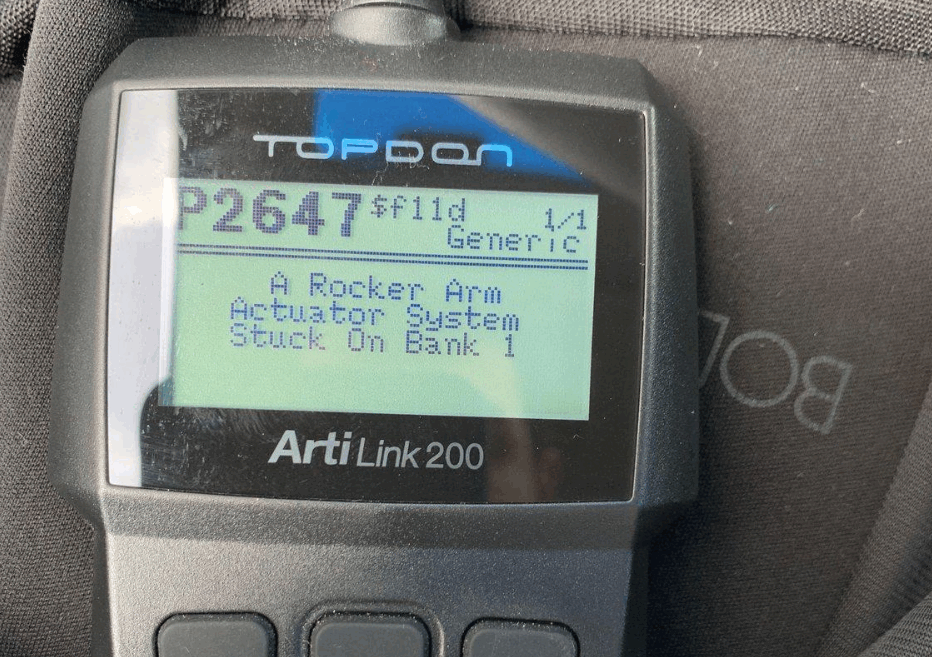
The Honda P2647 diagnostic trouble code indicates that the engine control module has detected an abnormal signal from the rocker arm oil pressure switch in the VTEC system. This fault usually appears when the oil pressure required to activate the Variable Valve Timing and Lift Electronic Control system does not match the expected operating conditions. As a result, the engine may reduce performance to protect internal components from potential damage.
Although Honda P2647 is commonly associated with a faulty VTEC oil pressure switch, the root cause is not always an electrical failure. Low engine oil, contaminated oil, incorrect oil viscosity, restricted oil passages, damaged wiring, or a malfunctioning VTEC solenoid can all trigger the same diagnostic code. Replacing parts without identifying the actual cause often leads to unnecessary repair costs and recurring problems.
Understanding how the Honda VTEC system operates is essential for diagnosing this code accurately. A systematic inspection allows technicians and vehicle owners to identify the source of the problem before replacing components. In many cases, a simple oil service resolves the issue, while other situations require electrical testing or mechanical repairs.
This guide explains what Honda P2647 means, why it occurs, the symptoms you should never ignore, the correct diagnostic procedure, the most effective repair methods, estimated repair costs, and practical maintenance tips to help prevent the code from returning.
What Does Honda P2647 Mean?
Honda P2647 is an OBD II diagnostic trouble code that indicates a problem with the VTEC oil pressure monitoring system. The powertrain control module detects this code when the rocker arm oil pressure switch sends a high input signal. Once the fault appears, the PCM turns on the Check Engine Light and may reduce engine performance to protect critical components.
The Honda VTEC system changes valve lift and timing to improve power and fuel efficiency. The PCM activates the VTEC solenoid when engine speed and load reach specific values. Engine oil then flows through internal passages to the rocker arms. At the same time, the oil pressure switch confirms that the system has reached the required hydraulic pressure. The PCM compares this feedback with its expected values. If the signal remains too high or becomes inconsistent, the module stores the P2647 code.
However, the code does not always indicate a failed oil pressure switch. Low engine oil, dirty oil, incorrect oil viscosity, restricted oil passages, and damaged wiring can produce the same fault. Each of these problems interrupts normal VTEC operation and prevents the system from working as designed. Replacing the switch without testing the lubrication system often wastes both time and money.
Honda P2647 commonly affects models equipped with four cylinder i VTEC engines. The Honda Accord, Civic, CR V, Odyssey, Element, and Fit report this code more frequently than other models. Although repair procedures vary slightly between engines, the diagnostic process follows the same principles. Understanding how the VTEC system works makes it much easier to identify the actual cause and complete the correct repair.
What Causes Honda P2647?
Several mechanical and electrical problems can trigger Honda P2647. However, low engine oil remains the most common cause. The VTEC system depends on stable oil pressure to change valve timing and lift. When the oil level drops below the recommended range, the system cannot generate enough hydraulic pressure. As a result, the rocker arm oil pressure switch sends an abnormal signal to the PCM.
Dirty engine oil is another frequent cause of this fault. Over time, sludge and contaminants restrict the narrow oil passages inside the VTEC system. Restricted passages reduce oil flow and delay pressure buildup. Consequently, the PCM detects inconsistent feedback and stores the Honda P2647 code. Using the wrong oil viscosity can create the same problem because oil that is too thick or too thin changes hydraulic pressure during engine operation.
A faulty VTEC oil pressure switch also triggers Honda P2647. The switch monitors oil pressure and reports its status to the PCM. If the internal contacts fail or corrosion develops inside the connector, the sensor may transmit a constant high voltage signal even when oil pressure remains normal. In this situation, the PCM interprets the signal as a system fault instead of a sensor failure.
Electrical problems should never be overlooked during diagnosis. Damaged wiring, loose connectors, and poor ground connections can interrupt communication between the pressure switch and the PCM. In addition, a defective VTEC solenoid may prevent oil from reaching the rocker arms, creating the same symptoms. Although PCM failure is possible, it rarely causes Honda P2647. Technicians should always inspect the lubrication system, electrical circuit, and VTEC components before considering module replacement.
What Symptoms Does Honda P2647 Cause?
Honda P2647 usually causes noticeable changes in engine performance before it creates serious mechanical problems. The Check Engine Light is often the first warning that drivers notice. Soon after the warning appears, the engine may lose power because the PCM limits VTEC operation to protect internal components. As a result, the vehicle feels less responsive during acceleration.
Poor acceleration is one of the most common symptoms of Honda P2647. The engine struggles to produce its normal power because the VTEC system cannot adjust valve timing and lift correctly. Drivers often notice slower throttle response when merging onto highways or climbing steep roads. In many cases, the engine continues to run smoothly at low speed but feels weak under heavy load.
Some vehicles also enter limp mode after the PCM detects repeated VTEC faults. Limp mode reduces engine output and limits vehicle speed to prevent further damage. Consequently, the engine may refuse to rev beyond a specific RPM range. This protective strategy helps reduce stress on internal components until the underlying problem is repaired.
Fuel economy may also decline because the engine cannot operate at its optimal valve timing. In addition, drivers may experience rough acceleration, unstable power delivery, or occasional hesitation during normal driving. These symptoms often become more noticeable after the engine reaches normal operating temperature, especially when the VTEC system should activate.
Ignoring Honda P2647 can increase repair costs over time. Low oil pressure or restricted oil passages may continue to damage VTEC components if the problem remains unresolved. For this reason, drivers should inspect the lubrication system and diagnose the fault as soon as the Check Engine Light appears. Early diagnosis often prevents more expensive repairs and restores normal engine performance much faster.
How Do You Diagnose Honda P2647?
Accurate diagnosis is essential before replacing any parts. Many technicians assume the VTEC oil pressure switch has failed because Honda P2647 points to a high input signal. However, the root cause often lies elsewhere. A systematic inspection saves both time and repair costs while preventing unnecessary component replacement.
The first step is to connect an OBD II scanner and confirm that Honda P2647 is the active fault code. Technicians should also check for additional diagnostic codes because related faults may identify the primary problem more quickly. After recording the codes, they should clear the memory and perform a short road test. If Honda P2647 returns immediately, the fault remains active and requires further inspection.
Next, inspect the engine oil carefully. Verify that the oil level meets Honda’s specification and confirm that the oil has the correct viscosity. Dirty or degraded oil can restrict flow inside the VTEC system and create unstable hydraulic pressure. Replacing old oil and the oil filter often resolves the problem when poor lubrication triggers the fault.
If the oil passes inspection, test the VTEC oil pressure switch and the VTEC solenoid. Measure the switch output with a digital multimeter and compare the readings with the manufacturer’s specifications. Then inspect the solenoid for contamination, sticking valves, or damaged seals. At the same time, examine the wiring harness and electrical connectors for corrosion, loose terminals, damaged insulation, or broken wires that may interrupt the signal.
Finally, measure actual engine oil pressure with a mechanical pressure gauge if every electrical component operates normally. Low oil pressure may indicate internal engine wear, a restricted oil passage, or a failing oil pump. Only after eliminating every mechanical and electrical cause should technicians consider diagnosing the PCM, because module failure remains one of the least common causes of Honda P2647.
How Do You Fix Honda P2647?
The correct repair depends on the actual cause of Honda P2647. For that reason, technicians should always complete a full diagnosis before replacing any components. Many vehicles only require basic maintenance, while others need electrical or mechanical repairs. Identifying the root cause first reduces repair costs and prevents the code from returning.
Start by checking the engine oil and oil filter because lubrication problems trigger this code more often than failed electronic components. Replace the engine oil if it appears dirty, contaminated, or has exceeded the recommended service interval. At the same time, install a new oil filter and refill the engine with the oil grade specified by Honda. After completing the service, clear the fault code and perform a road test to verify whether the repair solved the problem.
If the code returns, inspect the VTEC oil pressure switch and the VTEC solenoid assembly. Replace the pressure switch if testing confirms incorrect voltage or inconsistent operation. Likewise, replace the VTEC solenoid if it sticks, leaks, or fails to control oil flow correctly. These components work together, so a failure in either one can prevent the VTEC system from operating as intended.
Electrical repairs may also eliminate Honda P2647. Inspect the wiring harness for damaged insulation, loose terminals, or corroded connectors. Repair or replace any damaged wiring before installing new sensors because electrical faults often produce the same symptoms as failed components. A careful inspection also prevents repeated repairs caused by hidden connection problems.
Some vehicles continue to display Honda P2647 after replacing the VTEC components. In this situation, technicians should measure engine oil pressure and inspect the lubrication system for internal problems. A worn oil pump, blocked oil passages, or excessive engine wear can reduce hydraulic pressure and prevent proper VTEC operation. PCM replacement should remain the final repair option because module failure occurs far less frequently than lubrication or electrical faults.
Can You Continue Driving With Honda P2647?
You can usually continue driving with Honda P2647 for a short distance, but you should not ignore the problem. In many cases, the engine remains operational because the PCM disables or limits VTEC function instead of shutting the engine down. However, reduced performance does not mean the underlying fault is harmless. Continuing to drive without diagnosis may increase engine wear and lead to more expensive repairs.
The level of risk depends on the cause of the code. If low engine oil or poor oil pressure triggers Honda P2647, every mile you drive may reduce lubrication inside critical engine components. Insufficient oil pressure affects more than the VTEC system. It can also increase wear on the camshaft, rocker arms, bearings, and other moving parts. As a result, a simple maintenance issue can develop into a major engine repair if left unresolved.
Some drivers notice only a loss of power during acceleration. Others experience limp mode, limited engine speed, or poor throttle response. These symptoms reduce the vehicle’s ability to merge onto highways, overtake slower traffic, or climb steep hills safely. Consequently, driving with Honda P2647 may create safety concerns even when the engine continues to run smoothly.
If the Check Engine Light appears together with unusual engine noise, low oil pressure warnings, or severe performance loss, stop driving as soon as it is safe to do so. Check the engine oil level immediately and arrange for a professional inspection. Ignoring these warning signs can allow internal damage to develop within a short period.
The safest approach is to diagnose Honda P2647 as soon as possible. Early repairs often involve routine maintenance or replacing a single component. Delaying the repair increases the chance of secondary damage and significantly raises the overall repair cost.
How Much Does It Cost to Fix Honda P2647?
The cost to repair Honda P2647 varies because several different faults can trigger the code. Fortunately, many repairs involve routine maintenance rather than major engine work. An accurate diagnosis helps owners avoid replacing parts that are still working properly and keeps the total repair cost under control.
The least expensive repair is an engine oil and oil filter service. This solution often resolves the problem when low oil level, contaminated oil, or incorrect oil viscosity prevents the VTEC system from building proper hydraulic pressure. If the oil service eliminates the code, no additional repairs may be necessary.
Replacing the VTEC oil pressure switch or the VTEC solenoid costs more than a basic oil service but remains affordable for most Honda owners. Labor charges usually stay low because these components are relatively easy to access on many Honda engines. However, the total cost increases if technicians replace both parts during the same repair or discover damaged wiring that also requires attention.
Electrical repairs can vary depending on the location and severity of the damage. Cleaning corroded connectors or repairing a loose terminal usually requires little time. In contrast, replacing sections of the wiring harness takes longer and increases labor costs. For this reason, technicians should inspect the entire electrical circuit before ordering replacement parts.
The highest repair costs occur when Honda P2647 results from low engine oil pressure caused by internal engine problems. A worn oil pump, blocked oil passages, or excessive engine wear requires much more extensive repairs than a failed sensor or solenoid. These conditions demand additional diagnostic work and significantly higher labor costs. Early diagnosis remains the best way to prevent minor lubrication problems from developing into expensive engine repairs.
How Can You Prevent Honda P2647?
Regular maintenance is the most effective way to prevent Honda P2647. The VTEC system relies on clean engine oil and stable hydraulic pressure to operate correctly. When the lubrication system remains in good condition, the oil pressure switch and VTEC solenoid can function as designed. As a result, the PCM receives accurate feedback and is less likely to store this diagnostic code.
Follow Honda’s recommended oil change intervals and always use the specified oil viscosity for your engine. Fresh oil flows more efficiently through the narrow passages inside the VTEC system and reduces the risk of sludge buildup. In addition, replacing the oil filter during every service helps remove contaminants before they restrict oil flow or reduce hydraulic pressure.
Check the engine oil level regularly instead of waiting for the next scheduled service. Even a small oil leak or excessive oil consumption can lower the oil level enough to affect VTEC performance. Correcting these issues early protects both the lubrication system and the engine’s internal components. This simple habit also reduces the likelihood of unexpected warning lights.
Routine inspections of the electrical system provide another layer of protection. Examine the wiring harness, connectors, and VTEC components whenever the engine receives major maintenance. Clean electrical connections help the oil pressure switch transmit accurate signals to the PCM. Likewise, replacing damaged wiring before it fails completely prevents intermittent faults that are often difficult to diagnose.
Finally, respond quickly when the Check Engine Light appears. Ignoring an early warning may allow a minor lubrication or electrical problem to become a more expensive repair. Prompt diagnosis keeps the VTEC system operating efficiently, maintains engine performance, and significantly reduces the chance of Honda P2647 returning in the future.
Conclusion
Honda P2647 indicates that the PCM has detected an abnormal signal from the VTEC oil pressure monitoring system. Although a faulty oil pressure switch can trigger the code, low engine oil, contaminated oil, restricted oil passages, wiring problems, and a defective VTEC solenoid are often the real causes. Accurate diagnosis is essential because replacing parts without testing the lubrication and electrical systems frequently leads to unnecessary repairs.
Most Honda P2647 cases can be resolved with routine maintenance or by replacing a single faulty component. However, delaying repairs increases the risk of engine wear and higher repair costs, especially when low oil pressure is involved. A systematic inspection that begins with the engine oil and progresses through the VTEC system provides the fastest path to an accurate repair.
Regular oil changes, routine inspections, and prompt attention to warning lights remain the best long-term strategies for preventing Honda P2647. By following Honda’s maintenance recommendations and addressing problems early, drivers can protect engine performance, extend component life, and reduce the likelihood of future VTEC-related faults.