Fuel efficiency has become one of the most important factors when people choose a vehicle. Drivers want strong performance, but they also want lower fuel costs. This challenge pushes automakers to create smarter engine technologies.
Honda Cylinder Deactivation helps Honda engines achieve a better balance between power and efficiency. The system changes how the engine uses its cylinders based on driving conditions. It allows the engine to reduce fuel consumption during light driving while keeping full performance when drivers need more power.
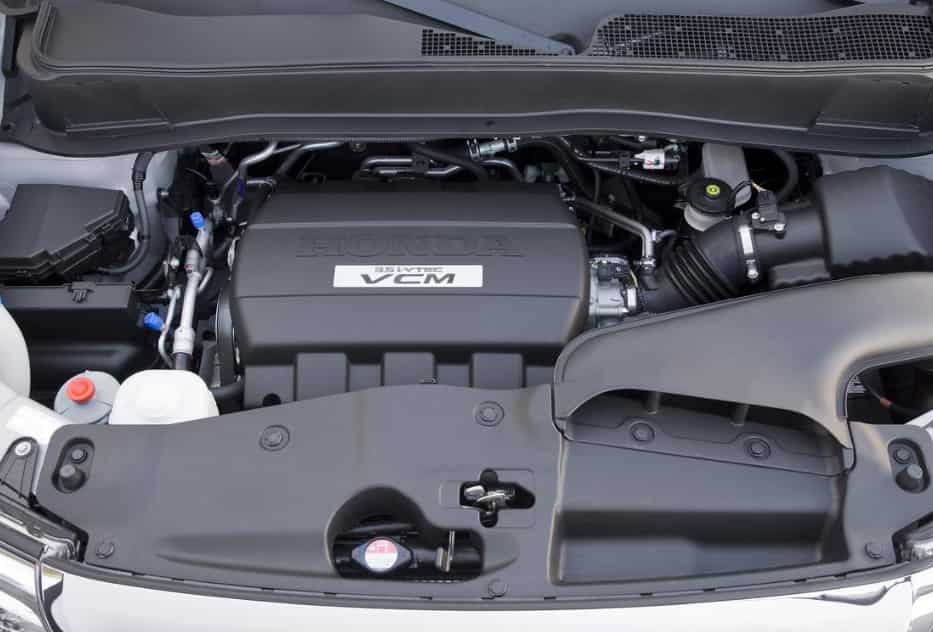
Honda also calls this technology Variable Cylinder Management, or VCM. The system mainly appears in Honda vehicles with larger V6 engines. It helps these engines deliver better efficiency without reducing their ability to provide smooth acceleration and strong performance.
Many Honda owners and potential buyers have questions about this technology. They want to know how Honda Cylinder Deactivation works in real driving conditions. They also want to understand its fuel-saving benefits, possible problems, and long-term reliability.
Some drivers worry about maintenance costs and engine durability. Others want to know if a Honda vehicle with VCM remains a smart choice after many years of ownership.
This guide explains how Honda Cylinder Deactivation works, why Honda uses this technology, and what owners should know about its advantages, limitations, and reliability.
What Is Honda Cylinder Deactivation and Why Does Honda Use This Technology?
Honda Cylinder Deactivation is an engine technology that helps improve fuel efficiency without removing the power drivers expect. The system allows a Honda engine to adjust its cylinder operation based on driving conditions. When the vehicle needs less power, the engine can temporarily stop using some cylinders. When the driver demands more performance, the system quickly returns those cylinders to normal operation.
Honda developed this technology to solve a common problem with larger engines. Engines with more cylinders usually provide smoother performance and stronger acceleration. However, they often consume more fuel during everyday driving. Many drivers do not need the full power of a V6 engine when cruising on highways or maintaining a steady speed.
Honda introduced Variable Cylinder Management (VCM) as a solution for this challenge. VCM allows the engine to switch between different operating modes. The system can use all cylinders during heavy acceleration or climbing conditions. It can also reduce cylinder activity during light-load situations to improve efficiency.
The main goal of Honda Cylinder Deactivation is to create a better balance between performance and fuel economy. Instead of using a smaller engine that may struggle under heavy loads, Honda can maintain a larger engine while improving everyday efficiency.
This technology became especially useful in Honda models with V6 engines, including vehicles designed for families and long-distance driving. These vehicles require strong power, but owners also want reasonable fuel costs.
Understanding how Honda Cylinder Deactivation works helps drivers make better decisions when buying, maintaining, or evaluating a Honda vehicle equipped with VCM technology.
How Does Honda Cylinder Deactivation Work Inside the Engine?
Honda Cylinder Deactivation works by controlling how the engine uses its cylinders during different driving conditions. The system does not remove power from the engine. Instead, it adjusts engine operation to improve efficiency when full power is unnecessary.
The process starts with the Engine Control Unit (ECU). The ECU constantly monitors important driving factors, such as vehicle speed, engine load, throttle position, and driving demand. Based on this information, the system decides when the engine can reduce cylinder activity.
During normal driving situations, the engine uses all cylinders to deliver smooth performance. This happens when the vehicle accelerates, carries heavy loads, or requires additional power. The engine needs maximum combustion efficiency during these conditions.
However, when the vehicle moves at a steady speed, the engine often requires less power. Honda Cylinder Deactivation can temporarily stop fuel delivery and reduce the operation of selected cylinders. The remaining active cylinders continue to provide the necessary power to keep the vehicle moving.
When the driver presses the accelerator or demands more performance, the system quickly activates the inactive cylinders again. The transition happens automatically without requiring input from the driver.
Honda uses advanced engine control systems to make this process smooth and efficient. Components such as valve control mechanisms and electronic sensors help the engine switch between operating modes.
This intelligent approach allows Honda vehicles to maintain strong performance while improving fuel economy during everyday driving. Instead of running at full capacity all the time, the engine adapts to real-world conditions.
What Are the Benefits of Honda Cylinder Deactivation?
Honda Cylinder Deactivation provides several advantages for drivers who want better fuel efficiency without giving up engine performance. The main benefit comes from the ability to reduce fuel consumption during situations when the engine does not need maximum power.
One of the biggest advantages is improved highway fuel economy. During steady-speed driving, such as long highway trips, the engine often works under light loads. Honda Cylinder Deactivation allows the engine to use fewer cylinders during these conditions. This reduces unnecessary fuel usage and helps drivers save money over time.
Another benefit is maintaining strong performance while improving efficiency. Many vehicles with this technology use larger V6 engines that deliver smooth power and quick acceleration. Without cylinder deactivation, these engines would consume more fuel during normal driving. The technology gives drivers the confidence of a powerful engine while improving everyday efficiency.
Honda Cylinder Deactivation also helps reduce operating costs. Fuel prices continue to influence vehicle ownership decisions, especially for larger sedans, SUVs, and minivans. A system that improves fuel economy can make long-distance driving more affordable.
The technology also supports Honda’s goal of creating more efficient gasoline engines. Instead of replacing larger engines with smaller alternatives, Honda uses intelligent control systems to improve how existing engines operate.
However, the benefits depend on driving conditions. Drivers who spend most of their time in heavy city traffic may experience smaller fuel savings compared with drivers who frequently travel on highways.
Overall, Honda Cylinder Deactivation offers a practical solution for balancing power, efficiency, and everyday usability.
Honda Cylinder Deactivation Problems and Common Reliability Concerns
While Honda Cylinder Deactivation offers fuel-saving benefits, some owners have raised concerns about long-term reliability. Understanding these potential issues helps drivers make better decisions when buying or maintaining a Honda vehicle with VCM technology.
One common concern involves increased oil consumption. Some Honda owners have reported that certain engines using Variable Cylinder Management may consume more engine oil over time. Several factors can influence this situation, including engine condition, maintenance history, driving habits, and mileage. Regular oil checks can help owners detect problems before they become more serious.
Another concern relates to engine vibration or uneven operation. The engine changes between different cylinder modes during normal driving. Some drivers may notice slight changes during this process, especially if the engine requires maintenance or has developed other mechanical issues.
Carbon buildup is another topic often discussed among Honda owners. Modern engines rely on precise fuel and air management to maintain efficiency. Poor maintenance, short driving trips, and extended oil change intervals can increase the risk of deposits inside engine components.
It is important to understand that not every Honda vehicle with Cylinder Deactivation experiences these problems. Many owners operate their vehicles for years with proper maintenance and few issues. The reliability of the system depends on several factors, including engine design, maintenance quality, and driving conditions.
Regular servicing remains one of the most effective ways to protect a Honda engine with Cylinder Deactivation. Following the recommended maintenance schedule, using the correct engine oil, and monitoring engine performance can help maintain long-term reliability.
Is Honda Cylinder Deactivation Reliable for Long-Term Ownership?
Many drivers consider long-term reliability before choosing a vehicle with advanced engine technology. Honda Cylinder Deactivation has received attention because it combines a traditional gasoline engine design with intelligent cylinder control. The key question for many owners is whether this technology can deliver dependable performance over many years.
The reliability of Honda Cylinder Deactivation depends on several important factors. Regular maintenance plays a major role in protecting engine health. Owners should follow Honda’s recommended service schedule, check engine oil levels regularly, and use the correct oil specification for their vehicle.
Driving habits also affect long-term performance. Vehicles that spend more time on highways may benefit more from cylinder deactivation because the system can operate under ideal conditions. In contrast, frequent short trips and heavy city traffic can create different challenges for engine maintenance.
Vehicle age and mileage are also important considerations. A well-maintained Honda with high mileage can continue to perform reliably. However, a vehicle with poor service history may develop problems regardless of its technology.
For buyers considering a used Honda model with Cylinder Deactivation, checking maintenance records is essential. A complete service history provides valuable information about how the previous owner cared for the vehicle.
Overall, Honda Cylinder Deactivation can provide reliable performance when owners maintain the engine properly. The technology offers a useful balance between efficiency and power, but it still requires responsible ownership like any advanced automotive system.
Drivers who understand the technology and follow proper maintenance practices can enjoy the benefits of Honda Cylinder Deactivation for many years.
Honda Cylinder Deactivation vs Traditional Engines and Hybrid Technology
When comparing vehicle efficiency technologies, Honda Cylinder Deactivation represents one approach to reducing fuel consumption. Traditional engines and hybrid systems follow different strategies to improve performance and efficiency. Understanding these differences helps drivers choose the right technology for their needs.
Traditional gasoline engines use all cylinders during operation. This design provides a simple mechanical structure and predictable performance. Many drivers prefer traditional engines because they have fewer complex control systems. However, these engines may consume more fuel because every cylinder continues working even when the vehicle requires less power.
Honda Cylinder Deactivation takes a different approach. Instead of changing the entire engine design, it allows the engine to adjust its cylinder usage. The system keeps the advantages of a larger engine, such as smooth power delivery and strong acceleration, while reducing fuel consumption during light driving conditions.
Hybrid technology uses another strategy. Hybrid vehicles combine a gasoline engine with electric motors and battery systems. This allows them to recover energy during braking and use electric power during certain driving situations. Hybrid systems often provide excellent fuel economy, especially in urban environments.
However, hybrid technology also introduces additional components, including batteries and electric motors. These systems may require different maintenance considerations compared with traditional gasoline engines.
Honda Cylinder Deactivation works best for drivers who want a balance between performance and efficiency. It suits people who need the power of a larger engine but still want improved fuel economy.
The right choice depends on driving habits, vehicle needs, and ownership preferences. Drivers who prioritize simplicity may prefer traditional engines, while those seeking maximum efficiency may consider hybrid technology.
Honda Vehicles That Use Cylinder Deactivation Technology
Honda Cylinder Deactivation has mainly appeared in Honda vehicles equipped with larger engines, especially models that use V6 powertrains. These vehicles benefit from the technology because they need strong performance while maintaining reasonable fuel efficiency during everyday driving.
The Honda Accord V6 was one of the well-known models that used Variable Cylinder Management technology. This sedan combined smooth V6 performance with improved fuel economy during highway driving. The system helped drivers enjoy stronger acceleration without accepting the fuel consumption of a full-time V6 engine.
The Honda Pilot also used Cylinder Deactivation technology in several generations. As a midsize SUV designed for families, the Pilot needed enough power for passengers, cargo, and long-distance travel. VCM helped improve efficiency when the vehicle operated under lighter conditions.
The Honda Odyssey minivan also featured this technology. Minivan owners often need practical transportation, comfortable driving, and lower operating costs. Cylinder Deactivation supported these needs by reducing fuel consumption during regular highway journeys and daily family use.
The Honda Ridgeline pickup truck also adopted VCM technology in certain model years. The system helped balance the demands of a capable truck platform with the desire for better fuel efficiency.
For buyers considering a used Honda vehicle with Cylinder Deactivation, checking the specific model year and maintenance history is important. Different generations may use different engine designs and control systems.
Overall, Honda applied Cylinder Deactivation mainly to vehicles that needed both power and efficiency. These models demonstrate how the technology helped Honda improve the everyday usability of larger gasoline engines.
How to Maintain a Honda Engine With Cylinder Deactivation?
Proper maintenance plays an important role in keeping a Honda engine with Cylinder Deactivation reliable over time. Like any advanced engine technology, the system works best when owners follow regular service routines and pay attention to early warning signs.
Engine oil maintenance is one of the most important factors. Owners should check oil levels regularly and follow Honda’s recommended oil change intervals. Clean and suitable engine oil helps protect internal components and supports smooth engine operation during different cylinder modes.
Monitoring engine performance is also essential. Drivers should pay attention to unusual symptoms, such as excessive vibration, unusual engine sounds, warning lights, or changes in fuel economy. Early detection can help prevent minor issues from becoming expensive repairs.
Driving habits can also influence engine condition. Frequent short trips may prevent the engine from reaching optimal operating temperature. Longer drives can help the engine operate more efficiently and maintain better overall condition.
When buying a used Honda with Cylinder Deactivation, reviewing maintenance records is highly recommended. A vehicle with consistent service history usually provides better confidence than a similar model with unknown maintenance.
Owners should also follow scheduled inspections for related engine components. Regular checks allow technicians to identify potential concerns before they affect performance or reliability.
Honda Cylinder Deactivation does not require complicated ownership practices. It requires the same responsible maintenance approach used for any modern engine. With proper care, vehicles equipped with this technology can continue delivering a balance of performance, efficiency, and reliability for many years.
Conclusion: Is Honda Cylinder Deactivation Worth Considering?
Honda Cylinder Deactivation represents Honda’s effort to improve gasoline engine efficiency while maintaining the performance drivers expect. The technology allows Honda engines to adjust cylinder operation based on driving conditions, helping reduce fuel consumption during low-load situations without affecting available power when drivers need it.
The biggest advantages of Honda Cylinder Deactivation include improved fuel economy, smoother balance between performance and efficiency, and reduced operating costs for larger engine vehicles. These benefits make the technology especially useful in models that require strong power, such as V6 sedans, SUVs, minivans, and pickup trucks.
However, like any advanced automotive system, Honda Cylinder Deactivation requires proper maintenance. Some owners have reported concerns related to oil consumption, vibration, or long-term durability. These issues depend on many factors, including vehicle condition, driving habits, and maintenance history.
For drivers considering a Honda vehicle with VCM technology, understanding how the system works can help them make a better decision. A well-maintained Honda engine with Cylinder Deactivation can provide reliable performance and improved efficiency for many years.
Ultimately, Honda Cylinder Deactivation is a practical solution that connects traditional engine power with modern efficiency goals. It shows how intelligent engineering can help gasoline engines remain competitive in an era of changing automotive technology.
Have you owned a Honda vehicle with Cylinder Deactivation technology? Share your experience with fuel economy, reliability, and long-term maintenance in the comments below.