If you own a Jeep Cherokee, you’ve probably experienced the frustration of the Auto Start/Stop system. Every time you start your vehicle, the feature is reactivated, forcing you to press the Auto Start/Stop OFF button again if you prefer uninterrupted engine operation. While the system is designed to improve fuel efficiency and reduce emissions, many drivers find it more annoying than beneficial, especially in heavy traffic or during short daily commutes.
The Auto Start/Stop system, also known as the Engine Stop Start (ESS) system, automatically shuts off the engine when the vehicle comes to a complete stop and restarts it when you release the brake pedal. Although this technology helps manufacturers meet fuel economy and emissions standards, it can create concerns about delayed acceleration, increased starter usage, and additional wear on the auxiliary battery.
Unfortunately, Jeep does not provide a factory option to permanently disable Auto Start/Stop. The system automatically resets every time you restart the vehicle, leaving many owners searching for a long-term solution.
In this comprehensive guide, you’ll learn how to permanently turn off Jeep Cherokee Auto Start/Stop using the safest and most effective methods available. We’ll compare Auto Start/Stop Eliminator modules, OBD programming, battery modifications, and dealer options while explaining the advantages, disadvantages, installation difficulty, potential warranty implications, and long-term reliability of each solution. By the end of this guide, you’ll be able to choose the method that best fits your driving habits, budget, and vehicle model.
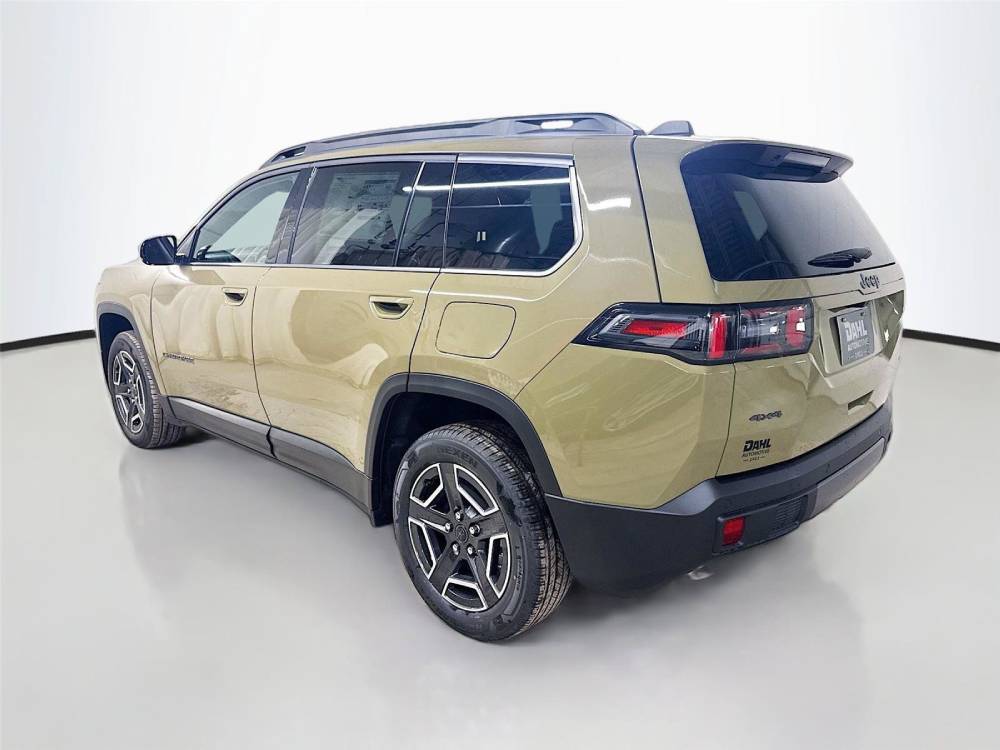
Understanding the Jeep Cherokee Auto Start/Stop System
Before learning how to permanently turn off Jeep Cherokee Auto Start/Stop, it helps to understand what the system actually does. Jeep commonly refers to this feature as Engine Stop Start, or ESS. Its purpose is to reduce unnecessary fuel consumption when the vehicle is stationary.
When your Jeep Cherokee comes to a complete stop, the system may automatically shut off the engine. The engine normally restarts as soon as you release the brake pedal or press the accelerator. Under ideal conditions, the process happens quickly and requires no action from the driver.
However, Auto Start/Stop does not activate every time the vehicle stops. The system monitors several operating conditions before deciding whether to shut down the engine. These conditions may include battery charge, engine temperature, cabin temperature, climate control demand, steering position, seat belt status, door position, and brake pedal pressure.
For example, the engine may continue running when the air conditioning system needs additional power, the battery is not sufficiently charged, or the engine has not reached its normal operating temperature. This is why some drivers notice that Auto Start/Stop works on one trip but remains unavailable on another.
Many Jeep Cherokee models equipped with ESS use both a main battery and a smaller auxiliary battery. The main battery supports normal starting and electrical functions, while the auxiliary battery helps manage electrical demand during repeated stop and restart cycles. When either battery becomes weak, the system may stop working or display a message such as “Stop/Start Unavailable.”
Some owners see this warning as a convenient way to avoid Auto Start/Stop. However, a malfunctioning or weak battery is not a safe permanent solution. Battery problems can affect other electrical systems and may eventually leave the vehicle unable to start.
Jeep enables the feature automatically after each ignition cycle because the vehicle was designed and certified with the system active. As a result, pressing the factory OFF button usually disables Auto Start/Stop only for the current drive. Once the engine is turned off and restarted, the system becomes active again.
This automatic reset is the main reason many owners search for a reliable way to disable Jeep Auto Start/Stop without creating warning lights, battery problems, or electrical faults.
Can You Permanently Turn Off Jeep Cherokee Auto Start/Stop?
In most Jeep Cherokee models, there is no standard menu setting that permanently disables the Auto Start/Stop system. The factory button allows the driver to turn the feature off temporarily, but the system normally resets after the next ignition cycle.
This means that Jeep owners who want a long term solution usually need to use an aftermarket memory module, a compatible programming tool, or another modification. The best method depends on the model year, trim level, electrical system, and the owner’s comfort with vehicle modifications.
It is important to understand what “permanently off” means in this context. Some solutions completely deactivate the feature through software. Others simply make the vehicle remember the last setting selected by the driver.
A memory based solution is often the most practical option. For example, if you press the factory Auto Start/Stop OFF button, an installed module can remember that choice. The next time the vehicle starts, the module automatically restores the previous setting.
This approach does not necessarily remove the ESS system from the vehicle. Instead, it prevents the driver from having to press the same button during every trip. In many cases, the feature can still be turned back on whenever desired.
Software based methods may offer more control, but they can also involve more risk. Changing vehicle configuration settings with an OBD programmer may trigger diagnostic codes if the procedure is performed incorrectly. Software updates from a dealership may also restore the original configuration.
Some drivers attempt to disable Auto Start/Stop by disconnecting the auxiliary battery or unplugging a battery sensor. While this may prevent the system from operating, it can also cause dashboard warnings, battery charging problems, or unexpected electrical behavior. For that reason, these methods are generally less suitable for daily driven vehicles.
The safest goal is not simply to stop the engine from shutting off. The goal is to disable or override the feature without interfering with starting, charging, climate control, safety systems, or onboard diagnostics.
For most owners, an Auto Start/Stop Eliminator or memory module provides the best balance of convenience, reversibility, and ease of installation.
Method 1: Install an Auto Start/Stop Eliminator
An Auto Start/Stop Eliminator is one of the easiest ways to permanently turn off Jeep Cherokee Auto Start/Stop. It is a small electronic module designed to remember the setting selected with the factory ESS button.
After installation, the module records whether Auto Start/Stop was turned on or off during the previous drive. When the vehicle is started again, it automatically returns the system to that setting.
For example, if you turn Auto Start/Stop off before shutting down your Jeep Cherokee, the module will keep it off the next time you start the vehicle. You will no longer need to press the OFF button during every trip.
This type of device is popular because it does not usually require permanent changes to the vehicle’s factory wiring or engine control software. Many modules use factory style connectors and are designed for plug and play installation.
Installation procedures vary by model year and product design. On some Jeep Cherokee models, the module connects behind the dashboard switch panel. On others, it may connect near the diagnostic port, gateway module, or center console controls.
Before purchasing a module, verify that it is specifically compatible with your Jeep Cherokee’s model year, trim level, and electrical configuration. A device designed for a Jeep Grand Cherokee, Wrangler, or Compass may not work correctly in a Cherokee, even if the vehicles use similar ESS technology.
Benefits of an Auto Start/Stop Eliminator
The biggest advantage is convenience. Once the module is installed and the feature is switched off, the Jeep remembers your preference automatically.
Another important benefit is reversibility. Most plug and play modules can be removed if you sell the vehicle, visit a dealership, or decide to restore the factory system.
These devices also allow the original ESS button to remain functional. You can usually turn Auto Start/Stop back on whenever you want instead of completely removing the feature.
A quality module should not create a permanent warning light or prevent normal diagnostic testing. It simply manages the button setting during startup.
Possible Disadvantages
The main disadvantage is cost. Although these modules are generally affordable compared with major vehicle repairs, they are more expensive than pressing the factory button manually.
Compatibility is another concern. Jeep changed electrical systems, dashboard layouts, and software configurations across different Cherokee model years. Buying the wrong device may result in installation problems or improper operation.
Poor quality modules may also cause communication errors, battery drain, or intermittent dashboard warnings. For this reason, choose a product from a reputable manufacturer and follow the installation instructions carefully.
Is an Eliminator the Best Option?
For most drivers, the answer is yes. An Auto Start/Stop Eliminator provides a practical solution without disconnecting batteries, cutting wires, or changing major vehicle settings.
It is especially useful for owners who are frustrated by the daily reset but still want the ability to reactivate ESS when necessary. It also reduces the risk of electrical problems compared with auxiliary battery modifications or sensor disconnection methods.
The module does not repair a weak battery, faulty sensor, or malfunctioning ESS system. If your Jeep displays warning messages or has starting problems, diagnose those issues before installing an eliminator.
When used in a compatible and properly functioning vehicle, a plug and play memory module is usually the simplest way to disable Jeep Cherokee Auto Start/Stop during everyday driving.
Method 2: Disable Auto Start/Stop Using an OBD Programmer
Another way to permanently turn off Jeep Cherokee Auto Start/Stop is by changing the vehicle’s configuration through an OBD programming tool. Unlike an Auto Start/Stop Eliminator, which simply remembers your preferred setting, OBD programming modifies the vehicle’s electronic configuration so the Engine Stop Start system remains disabled.
Several professional scan tools and aftermarket programmers support this function on selected Jeep Cherokee model years. Popular options include AlfaOBD used with a compatible OBD interface, as well as advanced diagnostic tools designed for FCA vehicles. Before purchasing any software or hardware, verify that it supports your exact model year and trim level.
The process generally begins by connecting the programming device to the OBD II diagnostic port located beneath the dashboard. After establishing communication with the vehicle, the software reads the body control module and other control units. Depending on the available programming options, you may be able to disable the ESS function, change its default behavior, or adjust related configuration settings.
One advantage of this method is that it does not require additional hardware to remain installed in the vehicle. Once the programming has been completed successfully, the change may remain active until the vehicle software is updated or restored to factory settings.
However, this approach requires considerably more technical knowledge than installing a memory module. Selecting the wrong configuration or interrupting the programming process can generate diagnostic trouble codes, disable unrelated vehicle functions, or require additional programming to restore normal operation.
Another consideration is future dealership service. During software updates or recall repairs, the dealership may reinstall the original factory configuration, causing Auto Start/Stop to function normally again. Owners should also understand that unauthorized software modifications may affect warranty discussions if an issue is determined to be directly related to the modification.
OBD programming is best suited for experienced owners or professional technicians who understand FCA vehicle electronics. For drivers who simply want a convenient solution with minimal risk, a dedicated Auto Start/Stop Eliminator remains the easier and safer option.
Method 3: Auxiliary Battery Modification
One of the most frequently discussed methods on Jeep owner forums involves modifying or disconnecting the auxiliary battery. While this approach can prevent the Engine Stop Start system from operating in certain situations, it is also the most controversial and carries significantly greater risks than other solutions.
The Jeep Cherokee ESS system relies on two batteries working together. The primary battery starts the engine and powers the vehicle under normal driving conditions. The auxiliary battery supplies additional electrical power during repeated engine shutdown and restart events, helping maintain voltage for important systems such as lighting, infotainment, climate control, and safety electronics.
When the auxiliary battery becomes weak or is disconnected, the ESS system may automatically disable itself because it no longer detects the electrical capacity required for safe operation. Some owners intentionally disconnect the auxiliary battery or install bypass kits to achieve this result.
Although this method may appear simple, it is not without consequences. Depending on the vehicle model and software version, disconnecting the auxiliary battery can trigger warning messages, illuminate the check engine light, store diagnostic trouble codes, or affect charging system performance. In some cases, owners have reported unusual electrical behavior involving the radio, power windows, remote start, or battery charging system.
Another concern is long term battery health. If the charging system is no longer operating as designed, the primary battery may experience additional stress over time. This can shorten battery life and increase the likelihood of unexpected starting problems.
Battery modifications may also complicate dealership diagnostics. Technicians often inspect the electrical system before diagnosing unrelated issues, and non factory battery configurations can increase repair time or lead to additional questions regarding warranty coverage.
For these reasons, auxiliary battery modification is generally not recommended unless it is performed by someone with extensive knowledge of the Jeep electrical system. The potential savings rarely outweigh the increased risk of electrical problems and diagnostic complications.
Most drivers looking for a permanent solution are better served by an Auto Start/Stop Eliminator or properly performed OBD programming.
Method 4: Dealer Software Update or Reprogramming
Many Jeep owners assume that a dealership can permanently disable Auto Start/Stop through factory software. In reality, this option is usually more limited than expected.
In most markets, dealerships are required to maintain the vehicle’s factory emissions and fuel economy configuration. Because the Auto Start/Stop system is part of the vehicle’s certified emissions strategy, dealership technicians often cannot permanently deactivate the feature through official diagnostic software.
If your Jeep Cherokee is experiencing problems with the ESS system, however, the dealership may install updated software designed to improve system reliability. These updates can address issues such as unexpected warning messages, failed restart events, battery management problems, or communication errors between electronic control modules.
Software updates may also improve how the system behaves under certain operating conditions. For example, revised calibration files can reduce unnecessary ESS activation when battery charge is low or when climate control demand is high. Nevertheless, these updates are intended to improve system performance rather than eliminate it.
If you are considering aftermarket modifications, it is worth discussing them with your dealership before installation. Policies vary between dealerships, and some service departments are more familiar with aftermarket memory modules than others. Understanding their position in advance can help avoid misunderstandings during future maintenance visits.
Owners who are concerned about warranty coverage should keep documentation for any aftermarket products they install. Choosing high quality plug and play devices that do not require cutting factory wiring can also make it easier to restore the vehicle to its original condition if necessary.
Although dealer reprogramming is rarely a complete solution for permanently disabling Auto Start/Stop, it remains valuable for correcting software related faults and ensuring the ESS system operates as intended. If your goal is convenience rather than repair, an aftermarket memory module is still the option recommended by most Jeep Cherokee owners.
Which Method Is Best?
Choosing the best way to permanently turn off Jeep Cherokee Auto Start/Stop depends on your priorities. Some owners simply want to avoid pressing the ESS button every time they start the vehicle, while others are looking for a complete software solution. Factors such as installation difficulty, cost, warranty concerns, and long-term reliability should all be considered before making a decision.
For most drivers, an Auto Start/Stop Eliminator offers the best balance of convenience and safety. It is easy to install, requires no permanent modifications, and allows the vehicle to remember your preferred Auto Start/Stop setting after every ignition cycle. Because it is designed to work with the factory electrical system, the risk of unexpected warning lights or electrical issues is relatively low.
OBD programming is another excellent option for owners who have experience with vehicle diagnostics. This method can provide a cleaner solution because no additional hardware remains installed after programming. However, it requires specialized equipment and a good understanding of FCA vehicle software. Incorrect programming may result in diagnostic trouble codes or require professional assistance to restore the original configuration.
Auxiliary battery modification is generally the least desirable option. Although it may prevent the ESS system from operating, it can also introduce unnecessary electrical problems and may reduce the reliability of the charging system. The potential savings are often outweighed by the increased risk of battery-related failures.
Dealer software updates are useful when the ESS system is malfunctioning, but they are rarely intended to permanently disable Auto Start/Stop. Most dealerships must maintain factory emissions compliance, limiting the changes they can legally perform.
The following comparison summarizes the advantages and disadvantages of each approach.
| Method | Permanent Solution | Installation Difficulty | Warranty Friendly | Recommended |
|---|---|---|---|---|
| Press the Factory OFF Button | No | Very Easy | Yes | Only for occasional use |
| Auto Start/Stop Eliminator | Yes, remembers your preference | Easy | Generally Yes | Highly Recommended |
| OBD Programming | Yes | Moderate | Depends on modification | Recommended for experienced users |
| Auxiliary Battery Modification | Partial | Difficult | Usually No | Not Recommended |
| Dealer Software Update | Limited | Easy | Yes | Only for repairs or software issues |
Overall, the Auto Start/Stop Eliminator remains the preferred solution for most Jeep Cherokee owners because it combines ease of installation, reliable operation, and the ability to restore the vehicle to its original configuration if needed.
Will Disabling Auto Start/Stop Affect Your Warranty?
One of the most common concerns among Jeep Cherokee owners is whether disabling the Auto Start/Stop system will void the vehicle’s warranty. The answer is not always straightforward because warranty decisions depend on the type of modification performed and the reason for any future repair.
In the United States, the Magnuson Moss Warranty Act generally prevents manufacturers from automatically voiding an entire vehicle warranty simply because aftermarket parts have been installed. Instead, the manufacturer or dealership must demonstrate that the aftermarket modification directly caused the failure before denying warranty coverage for that specific repair.
For example, installing a plug and play Auto Start/Stop Eliminator does not automatically cancel your powertrain warranty. However, if an improperly installed aftermarket device damages the vehicle’s electrical system, repairs related to that damage may not be covered.
OBD programming presents a different situation. Since this method changes vehicle software or configuration settings, dealerships may restore the factory programming during software updates or investigate any nonstandard configuration if electrical issues occur. Keeping a backup of the original settings is always recommended before making software modifications.
Battery modifications typically carry the greatest warranty risk because they directly affect the charging system and battery management components. Disconnecting the auxiliary battery or installing unofficial bypasses may complicate warranty claims involving the electrical system, battery, alternator, or related control modules.
To minimize potential warranty concerns, consider the following best practices.
Choose products specifically designed for your Jeep Cherokee model year.
Purchase accessories from reputable manufacturers with positive customer reviews.
Follow the installation instructions carefully without modifying factory wiring.
Keep the original components so the vehicle can be returned to stock if necessary.
Document any modifications and retain receipts for future reference.
If your vehicle is still covered by a factory warranty, it is also worthwhile to discuss your plans with your dealership before installing any aftermarket device. Policies may vary between service departments, and understanding their expectations can help avoid unnecessary complications later.
Frequently Asked Questions
Can I permanently disable Jeep Cherokee Auto Start/Stop without modifying the vehicle?
No. Jeep does not provide a factory menu option that permanently disables the ESS system. Pressing the Auto Start/Stop OFF button only affects the current driving cycle. The system automatically resets the next time the vehicle is started.
Does disabling Auto Start/Stop improve battery life?
Many owners believe that reducing the number of engine restart cycles can decrease stress on the starter motor and auxiliary battery. While this may reduce some wear, overall battery life also depends on driving habits, climate, charging performance, and regular maintenance.
Is an Auto Start/Stop Eliminator safe?
A high quality Auto Start/Stop Eliminator designed specifically for your Jeep Cherokee is generally considered one of the safest solutions. It works with the existing electrical system and typically remembers your preferred setting without permanently altering factory software.
Can I remove the Eliminator later?
Yes. Most plug and play modules can be removed at any time, allowing the vehicle to return to its original factory operation. This makes them a popular choice for leased vehicles or owners planning to sell their Jeep in the future.
Will disabling Auto Start/Stop improve fuel economy?
No. In fact, the Auto Start/Stop system exists to reduce fuel consumption during idle periods. Disabling the feature may slightly increase fuel usage, particularly in heavy stop and go traffic. Many owners, however, consider the improved driving experience to be worth the small reduction in fuel efficiency.
This message usually indicates that one or more operating conditions required by the system have not been met. Common causes include a weak main battery, a failing auxiliary battery, low engine temperature, high climate control demand, or stored diagnostic trouble codes. Resolving the underlying issue is recommended before attempting to disable the system permanently.
Conclusion
If you are tired of pressing the Auto Start/Stop button every time you drive, you are not alone. Thousands of Jeep Cherokee owners search for a permanent solution that eliminates this daily inconvenience without creating reliability issues or unnecessary warning lights.
Fortunately, several effective methods are available. Auto Start/Stop Eliminator modules provide the simplest and most user-friendly solution by remembering your preferred setting after every ignition cycle. OBD programming offers a more advanced approach for experienced users who are comfortable modifying vehicle software. Auxiliary battery modifications should generally be avoided because of the increased risk of electrical problems and potential warranty complications. Dealer software updates remain useful for repairing system faults but are rarely intended to permanently disable the ESS feature.
Before choosing a solution, consider your vehicle’s model year, warranty status, technical experience, and long-term ownership plans. Selecting the right method will help you enjoy a more consistent driving experience while maintaining the reliability and safety of your Jeep Cherokee.
Have you already disabled the Auto Start/Stop system on your Jeep Cherokee? Share your experience, the model year of your vehicle, and the method you used in the comments below. Your insights may help other Jeep owners choose the solution that works best for them.